
Free on-site gate assessment - hinges, posts, and your LiftMaster or Nice gate operator checked before anything is quoted
The assessment is free and the quote is the invoice.
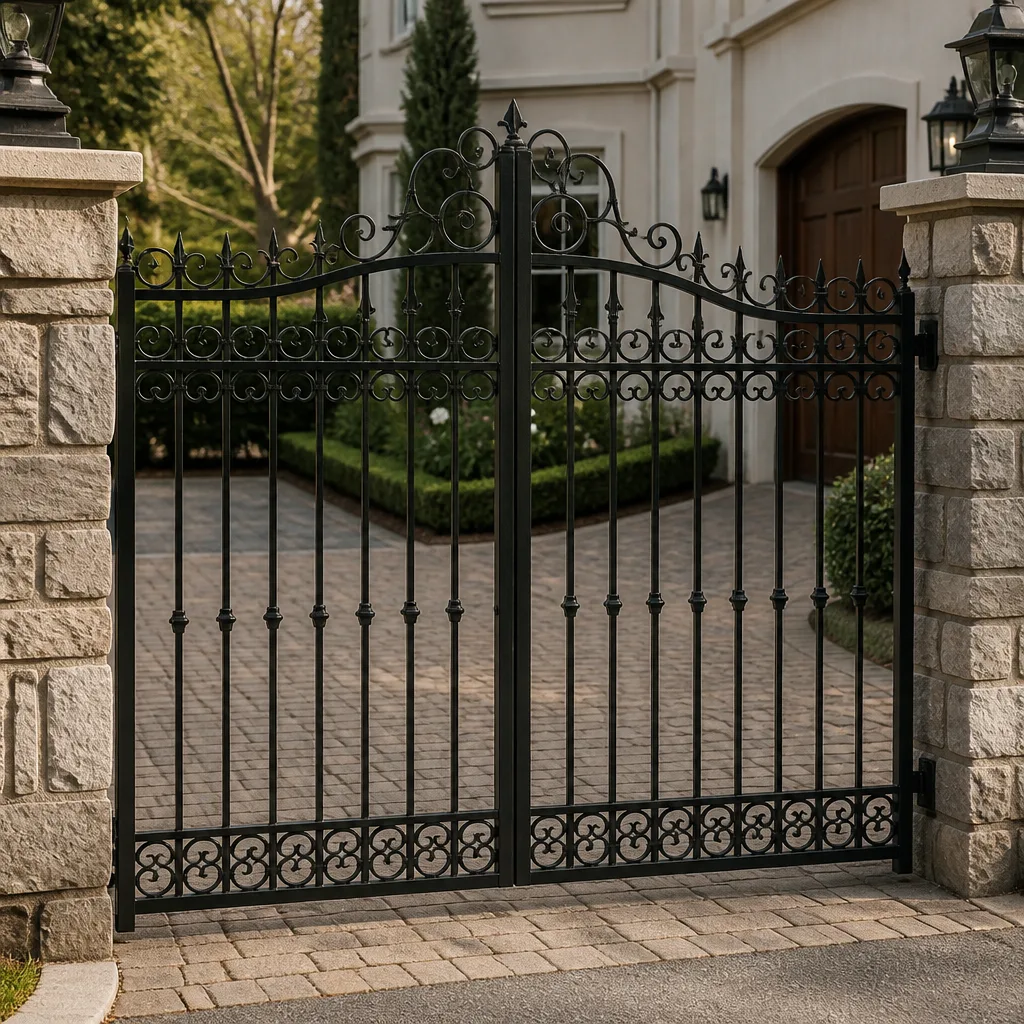
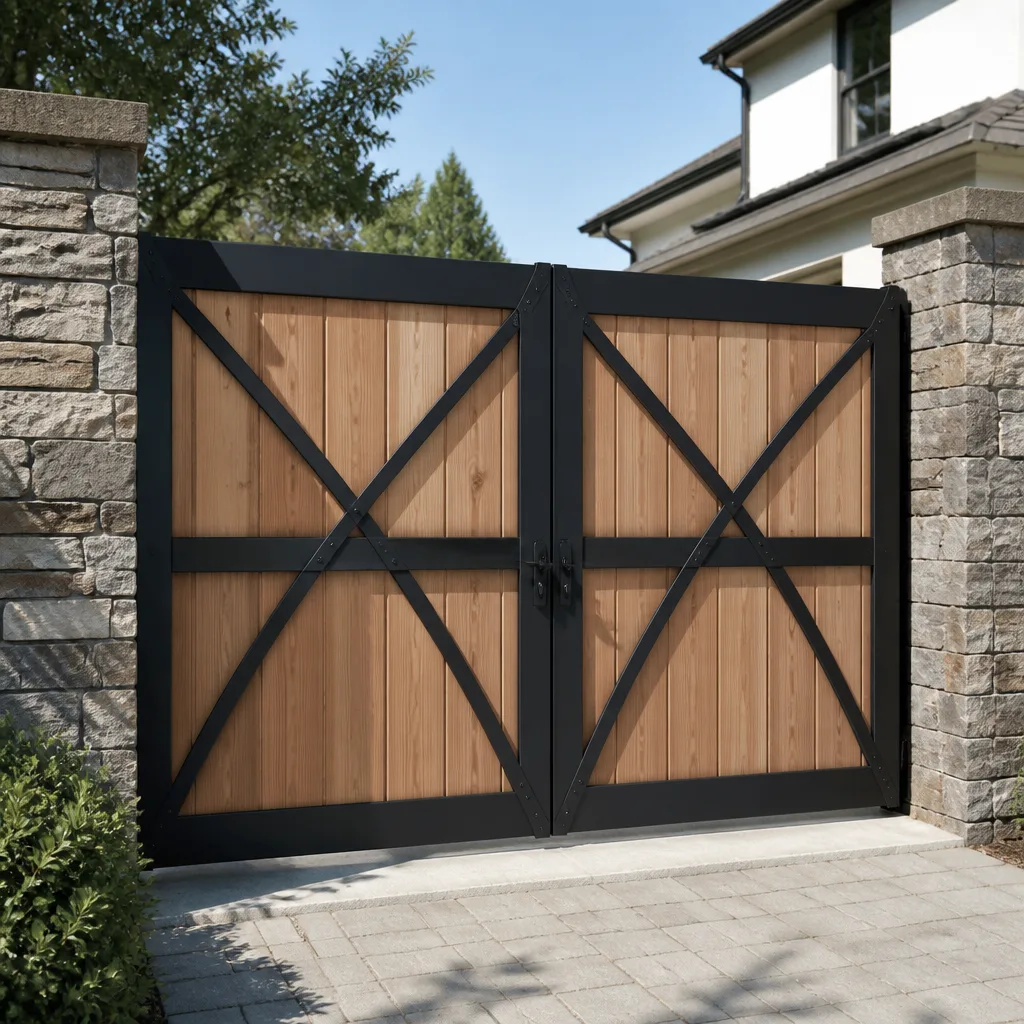
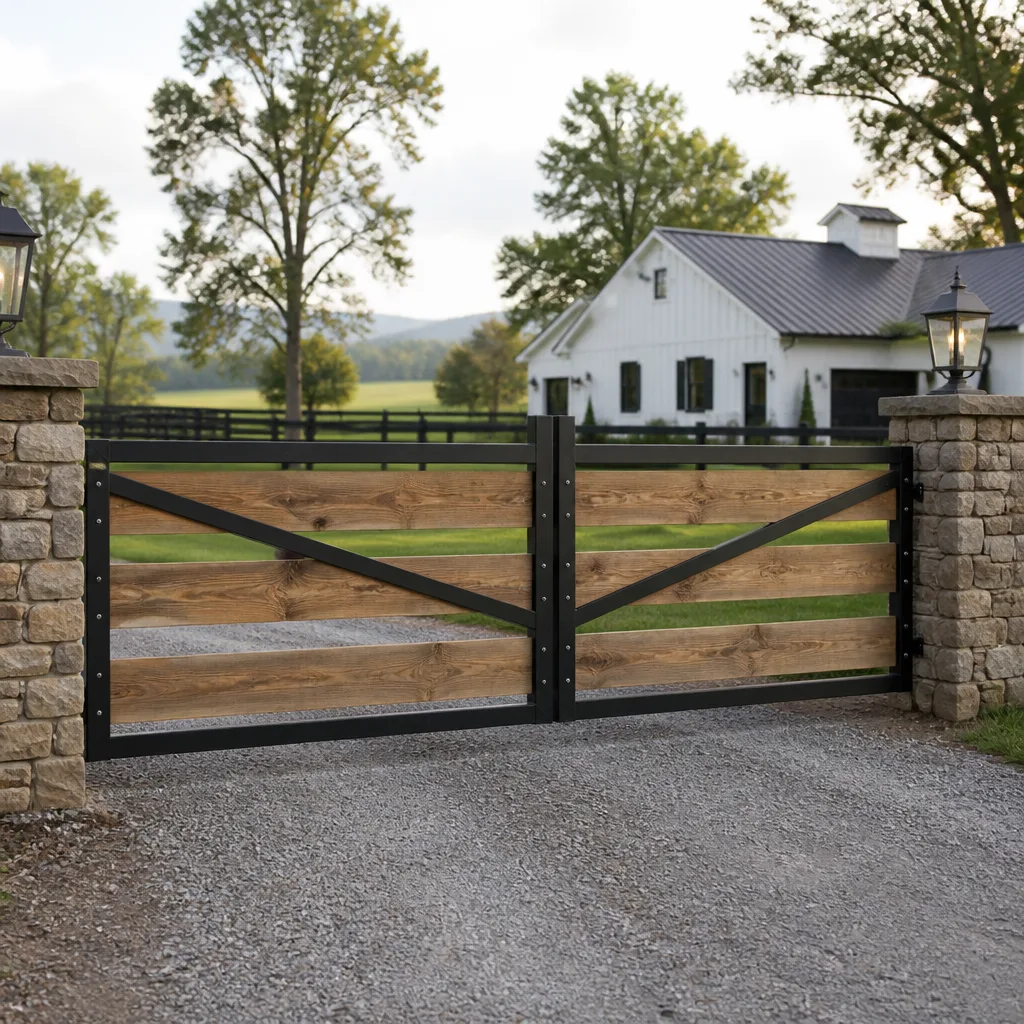
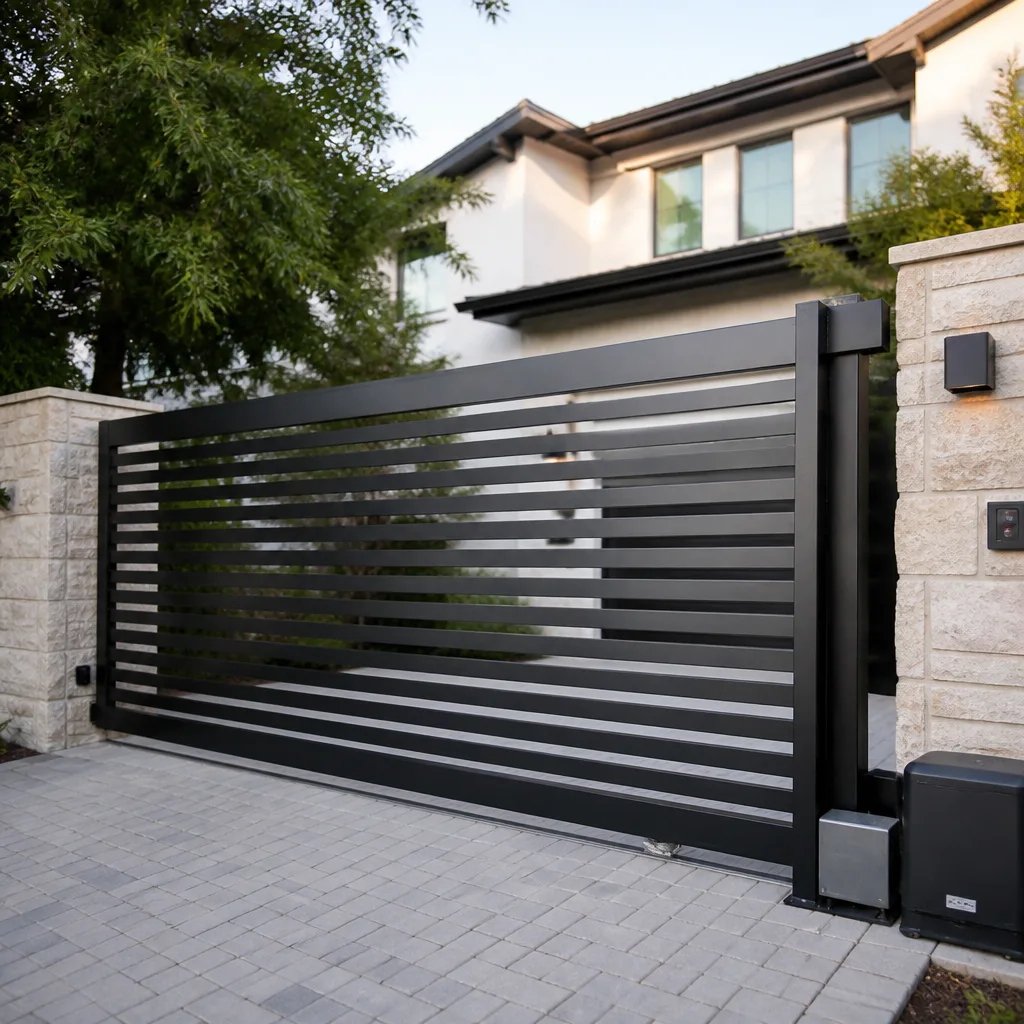
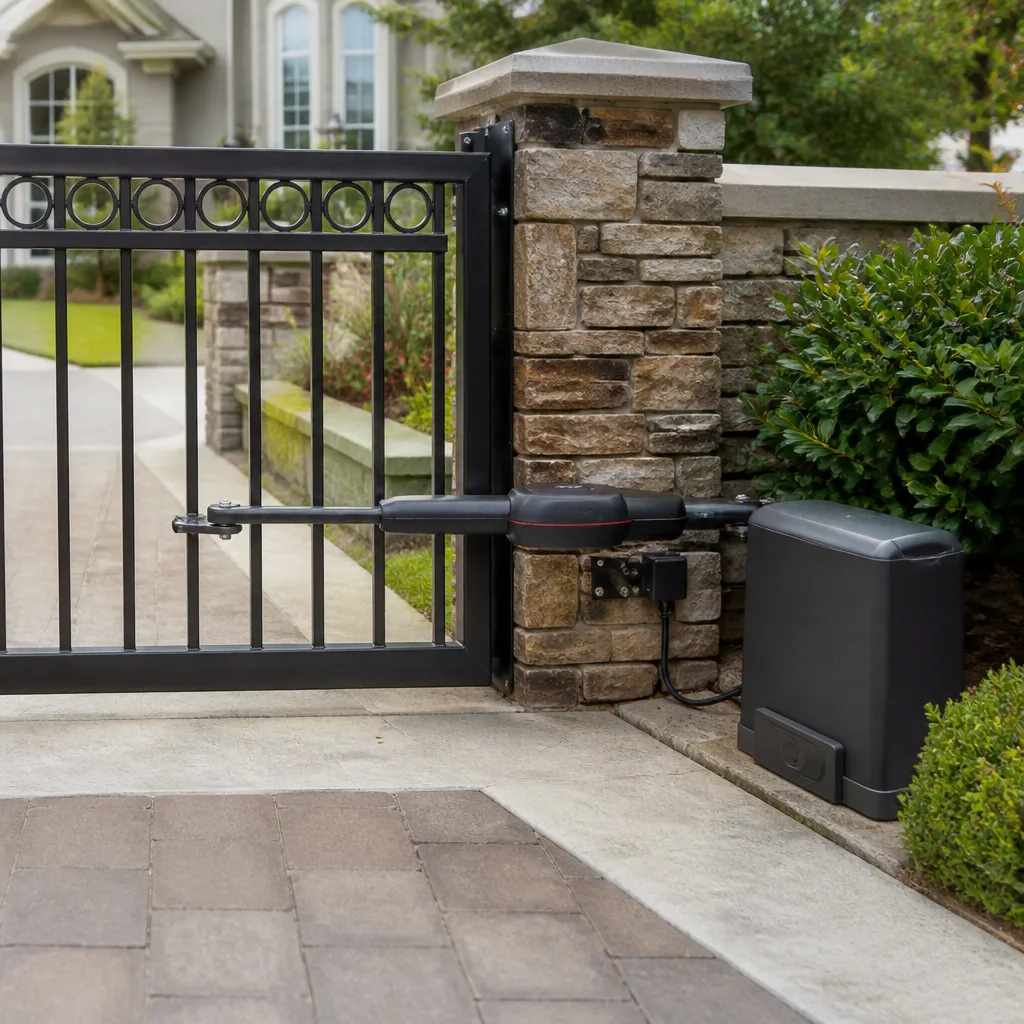
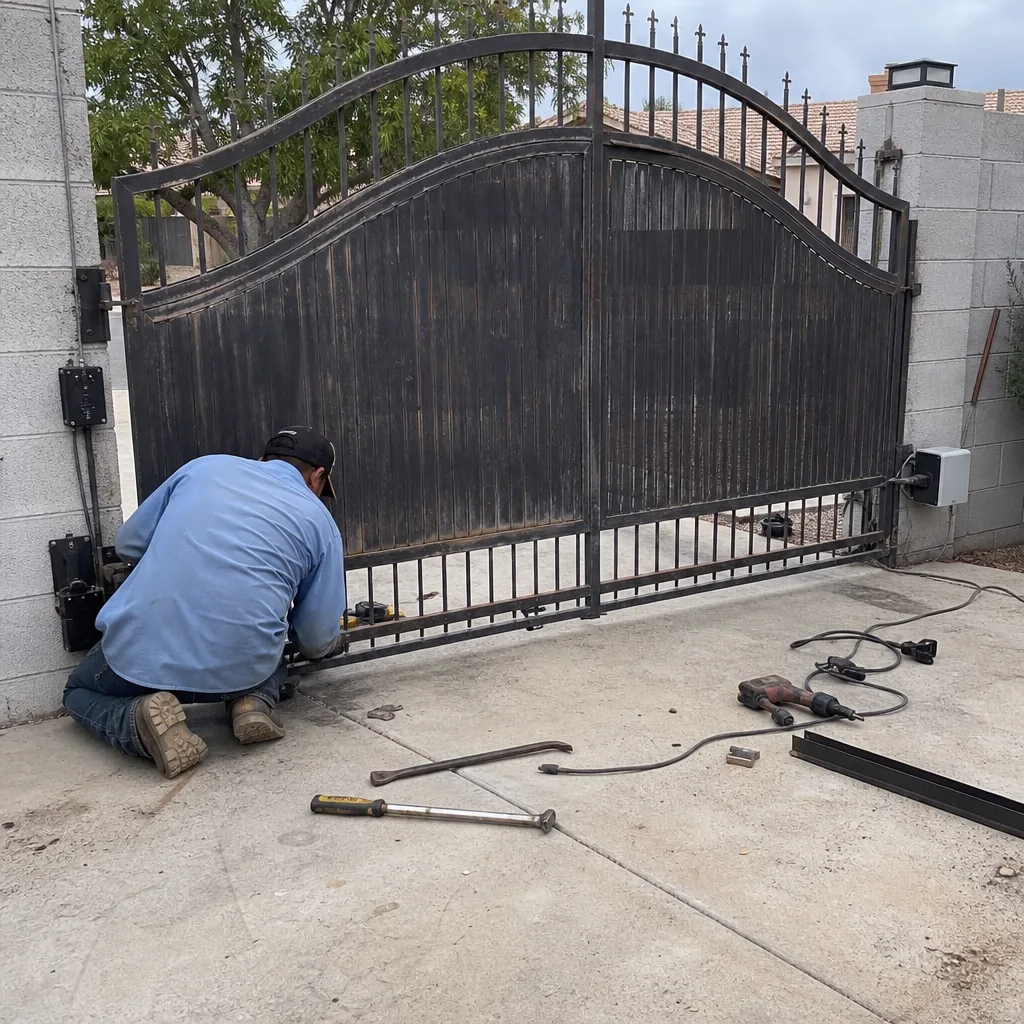 Before
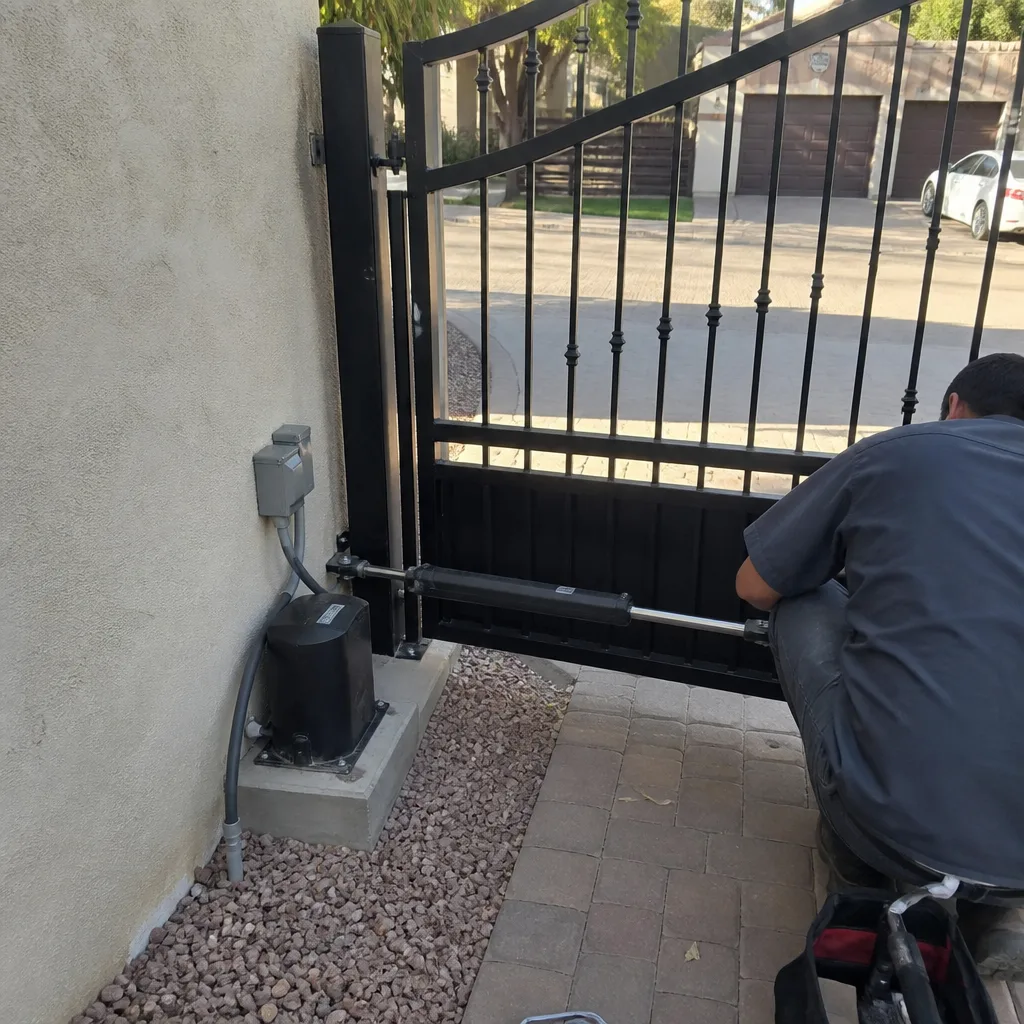 After
After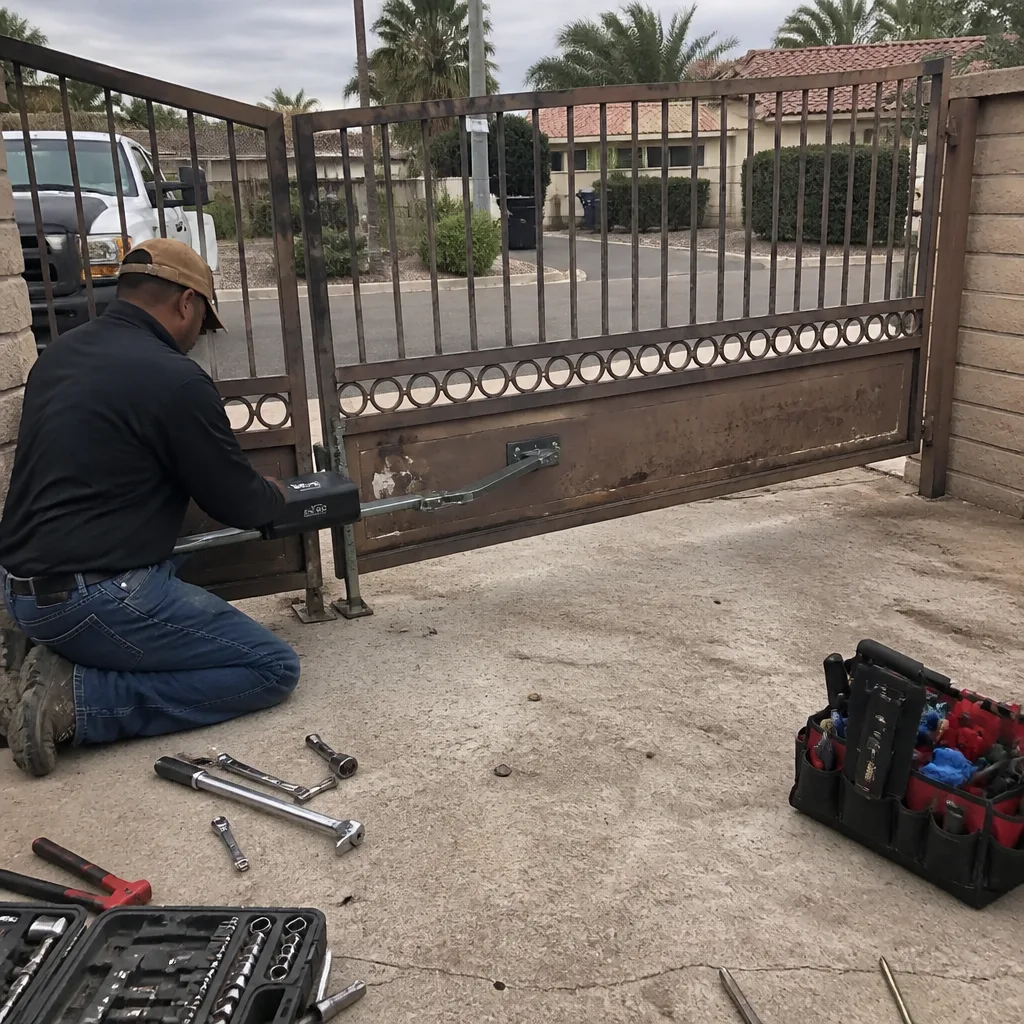 Before
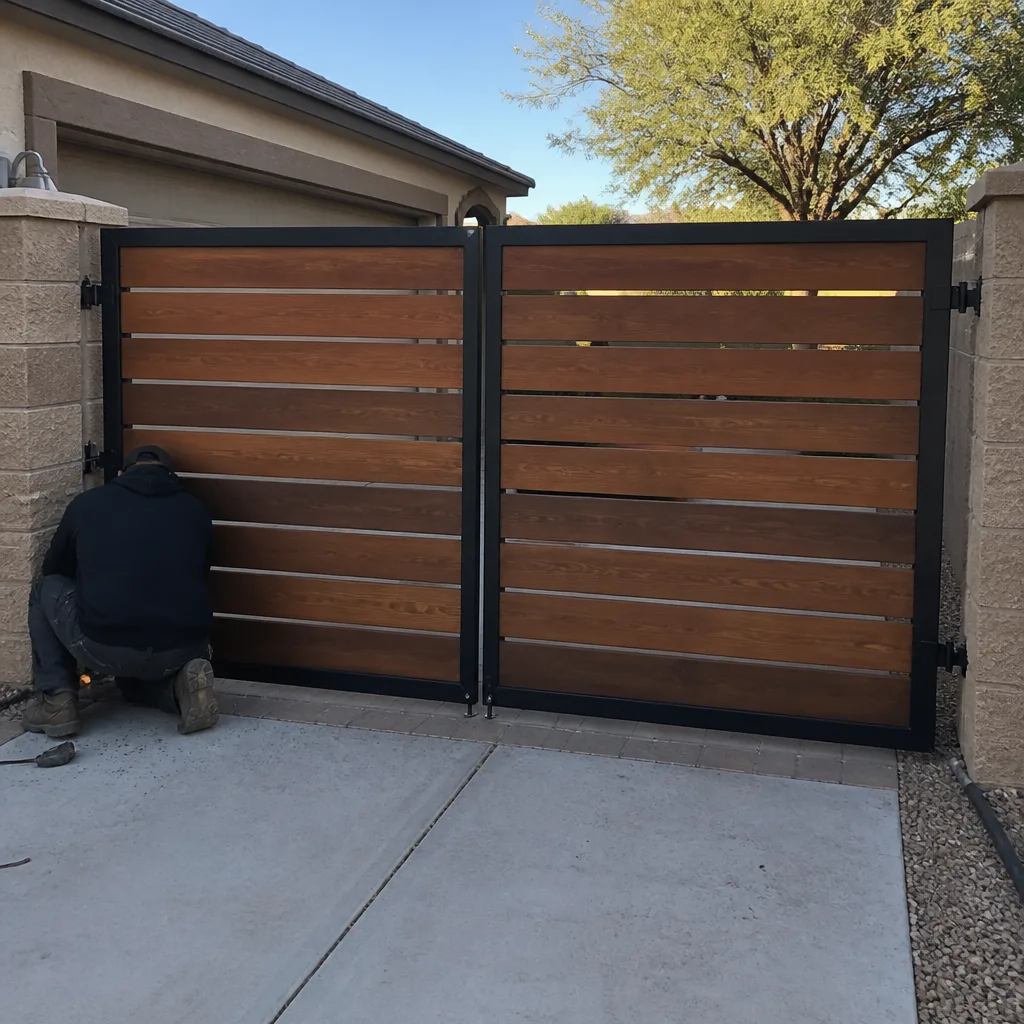 After
After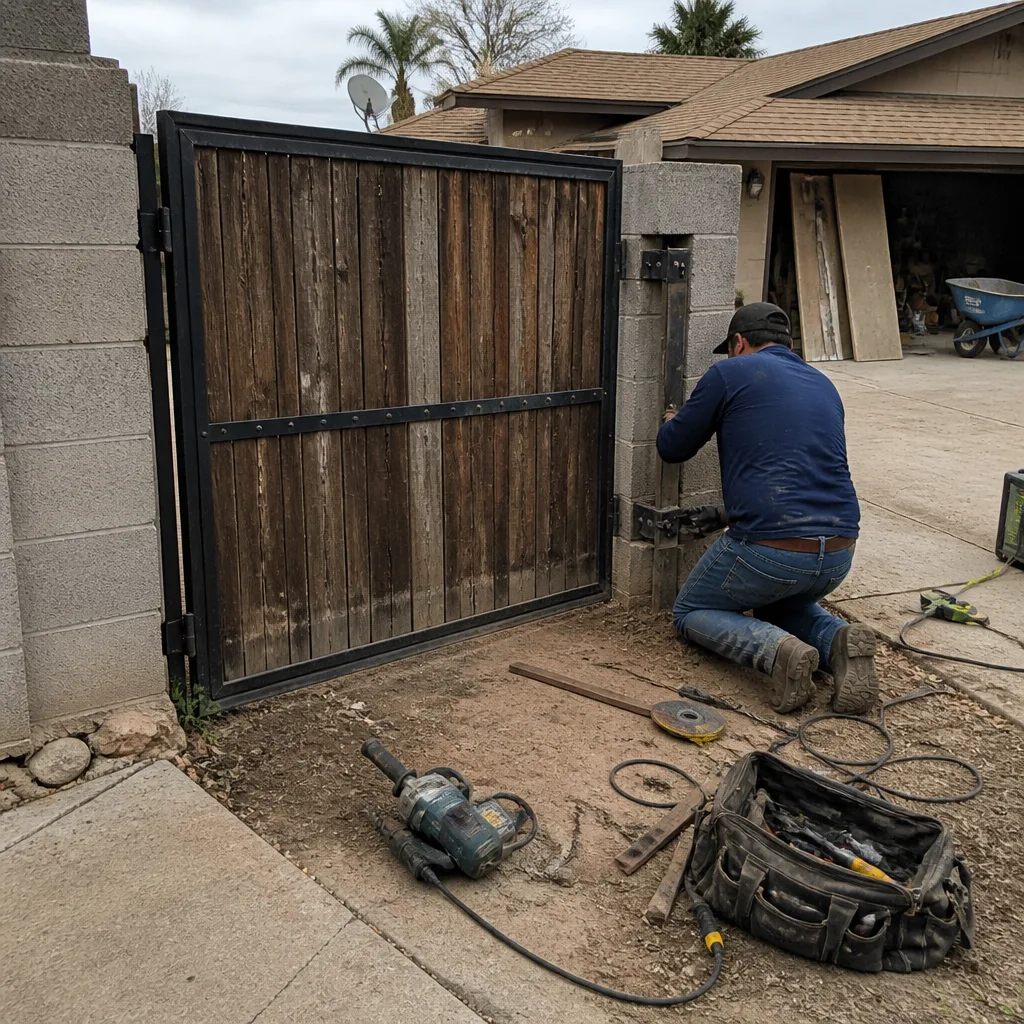 Before
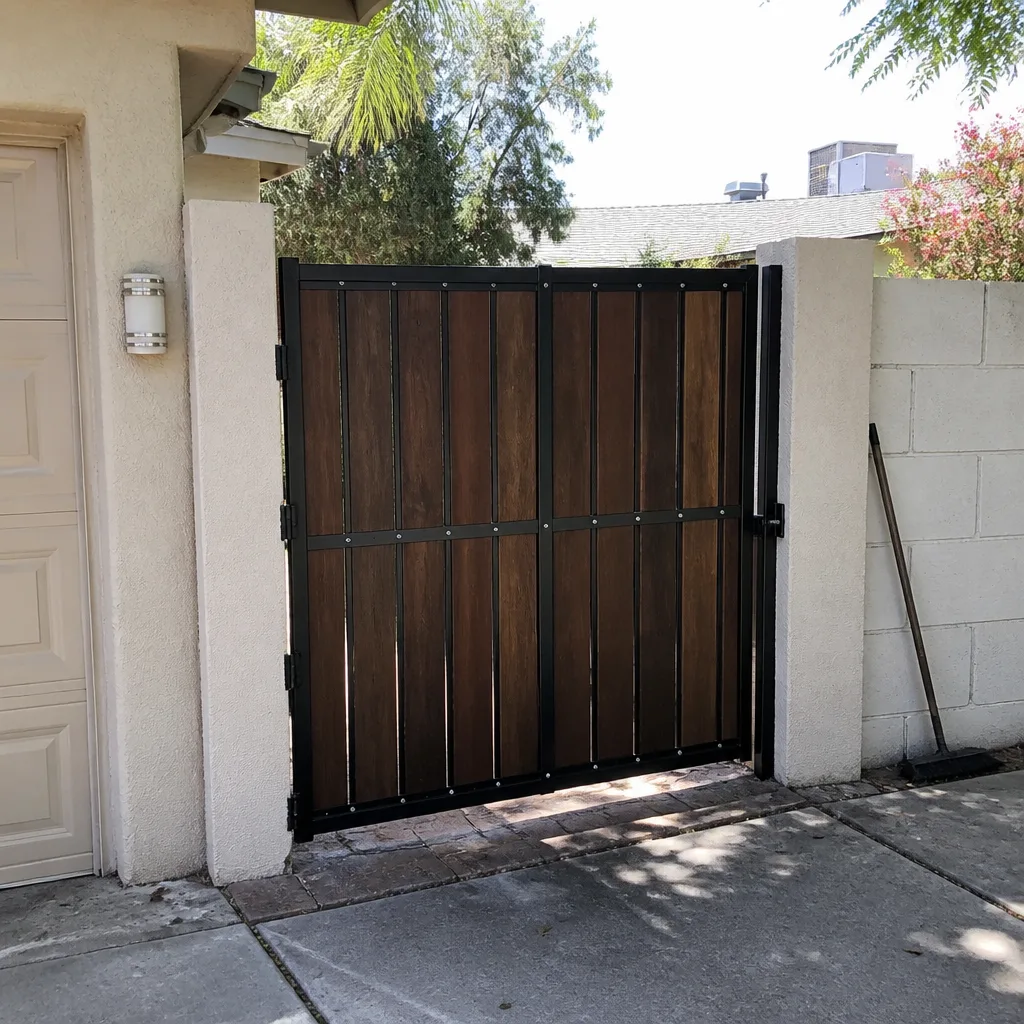 After
AfterViking Access Control Installation: The Phoenix Owner’s Guide
We stock and install Viking-compatible access control components for residential and light commercial gates across Phoenix, with most installations completed same-day when the part is on our truck. A typical Viking keypad, card reader, or telephone entry system installation runs between $380 and $1,200 depending on whether we’re replacing a failed unit or running fresh low-voltage cable from a new location. Most Phoenix owners discover their Viking access control is failing when the keypad stops responding to code entry in summer heat, or when the telephone entry module begins dropping calls during monsoon humidity spikes.
Which Viking Models This Applies To
Viking access control breaks into three product families, and identifying which one is on your gate post matters for wiring compatibility and mounting footprint.
- H-Series Telephone Entry (H-10, H-20, H-30, H-40): Surface-mounted cast-aluminum housings with two-piece faceplates. The H-30 and H-40 share the same 6.5″ x 8.5″ cutout pattern as the older AES units, which is why we see so many Phoenix properties with mismatched retrofit plates where a previous installer forced an H-20 into an AES opening. Check the white label inside the hinged door; the model number and firmware revision are printed there. Viking H-series units manufactured after 2019 use a 24V AC transformer with a different lug pattern than pre-2019 units that ran on 16V AC. We stock both transformer types because mixing them fries the voice board in about six weeks.
- K-Series Keypads (K-1, K-2, K-3, K-4): Standalone PIN-entry units with vandal-resistant stainless faces. The K-3 and K-4 add proximity-card capability. Critical Phoenix-specific note: the K-series seals are rated IP65, but the rubber gasket behind the faceplate hardens in sustained 115°F heat. We’ve replaced K-2 units in Arcadia and Biltmore that were technically “working” but had gaskets cracked enough to let monsoon moisture reach the membrane. If your K-series is more than seven summers old, the gasket is the part that fails first, not the electronics.
- RA-1 Radio Receiver and RX-1 External Receiver: Add-on radio modules for existing Viking or third-party operators. The RA-1 is a 318 MHz fixed-code receiver; the RX-1 is dip-switch programmable. These are often paired with Viking L-3 swing-gate operators or G-5 slide-gate operators in Phoenix’s 1980s-2000s housing stock. If your remote stopped working but the hardwired keypad still opens the gate, the receiver module is the suspect, not the operator motor.
We are an independent service provider with no affiliation to Viking Access Systems. We stock OEM Viking parts and select aftermarket equivalents where the spec matches and the price difference matters to the customer. For K-series keypads, the aftermarket DTK units fit the same cutout and carry a comparable warranty; for H-series telephone entry, we recommend OEM voice boards because the firmware handshake with Viking’s phone-line simulator is proprietary.
Signs Your Viking Access Control Is Failing
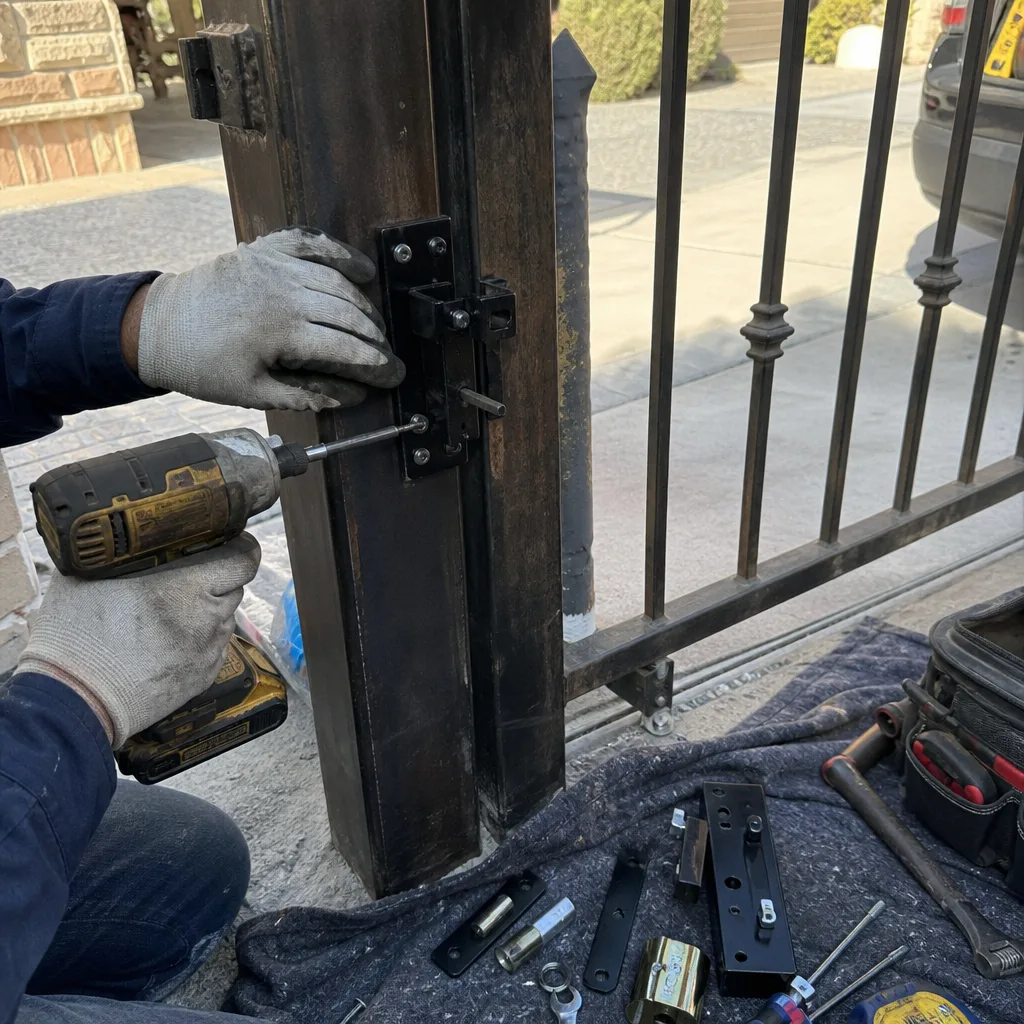
- Keypad beeps but gate doesn’t move. The keypad membrane is sending signal, but the output relay isn’t closing. On K-series units, this usually traces to a cracked solder joint on the relay board from thermal cycling. Phoenix’s 40°F morning to 75°F afternoon swings in February, or the reverse in October, stress those joints more than steady heat does.
- Intermittent code acceptance. You enter your PIN twice, it works; third time, nothing. This is the membrane switch matrix degrading, not user error. In Encanto and Maryvale properties where dust is heavier, we’ve found the same symptom caused by fine grit working under the faceplate and bridging switch contacts.
- Telephone entry dials but never connects, or connects to a dead line. The H-series auto-dialer is trying; the phone-line simulator or the landline interface is the failure point. Since 2022, we’ve seen more of these in Phoenix as copper POTS lines get decommissioned and owners switch to cellular gateways without updating the Viking’s dial-out protocol.
- Proximity card works at 8 a.m. but not at 2 p.m. The reader coil is heat-soaking. K-3 and K-4 proximity modules sit behind a stainless faceplate that reaches 140°F in direct July sun. The coil impedance drifts, and the detection threshold falls out of spec. Shade helps, but the real fix is a unit with an extended-temp coil, which we spec for any Phoenix install on a south-facing post.
- Backlight flickers or goes dark. LED driver failure, often from voltage sag on long cable runs. In Paradise Valley and north Scottsdale, we’ve measured 18V at the unit on a “24V” circuit because the original installer ran 22-gauge wire 180 feet from the house. The Viking specs 18-gauge minimum for runs over 100 feet; most Phoenix retrofit jobs we inherit violate this.
 Before
 After
AfterReplacement Cost & What’s Included
| Service | Typical Range | What’s Included |
|---|---|---|
| K-Series keypad replacement (same location, existing wire intact) | $380 - $550 | OEM or DTK keypad, mounting hardware, code programming, photo record |
| H-Series telephone entry replacement (same location) | $680 - $950 | Unit, transformer compatibility check, phone-line test, up to 4 resident numbers programmed |
| H-Series with new low-voltage cable run | $950 - $1,200 | Above plus trenching or conduit, 18-gauge direct-burial cable, voltage-drop verification |
| RA-1/RX-1 receiver replacement | $280 - $420 | Receiver, antenna alignment, remote re-programming, range test to 75 feet |
| Standalone proximity reader add-on | $340 - $480 | Reader, mounting, enrollment of up to 20 cards/fobs |
The range depends on three things: whether the existing wire gauge and condition save us a cable run, whether the mounting surface is intact or needs a new backplate, and whether your gate operator requires a firmware update to handshake with a newer Viking unit. We quote the flat price in writing before any work starts, under Haven Standard Clause 1. That price includes the 365-Day Done Right Promise: if the new unit doesn’t perform as quoted, we make it right at no additional charge.
DIY or Call Us?
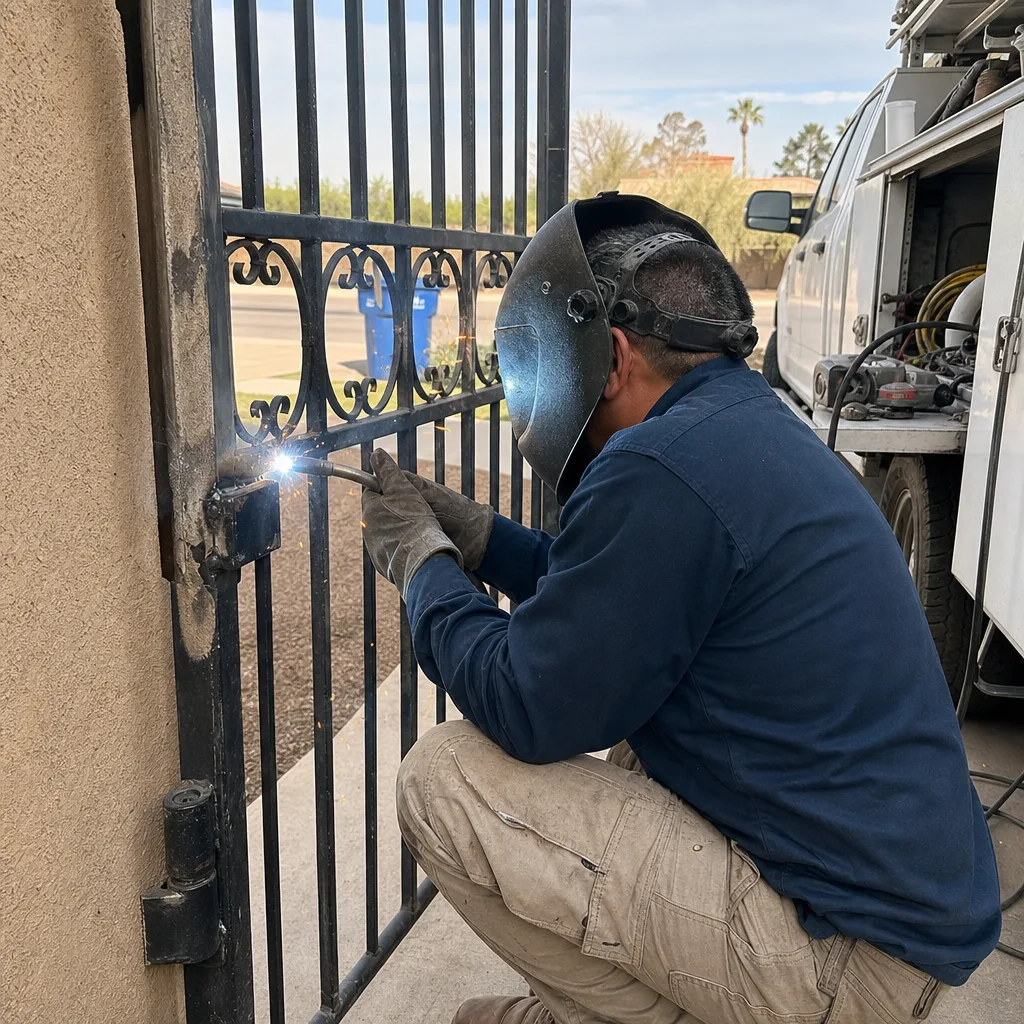
There’s a safe middle ground for Viking access control, and then there’s the part that belongs to a technician with a meter and a documented process.
What you can check safely: verify the transformer LED is lit at the power source, test your phone line with a handset if you have POTS service, and confirm the gate operator itself still responds to the manual release or a hardwired button. If the operator moves but the access control doesn’t, you’ve isolated the problem to the control side.
Where DIY goes wrong: Viking H-series units run on low voltage but the phone-line interface carries ring voltage at 90V AC, enough to damage boards if you hot-swap without disconnecting. K-series keypads require precise torque on the faceplate screws; over-tighten and the membrane warps, under-tighten and moisture enters. More critically, any access control install in Phoenix must account for voltage drop on long runs and thermal derating for exposed locations. We’ve been called to redo homeowner installs where the unit “worked fine for three months” then failed because the summer heat exposed an undersized wire or a gasket installed backward.
We carry K-series keypads, H-series voice boards, and RA-1 receivers on every Phoenix service truck. If you describe the model and symptom when you call, we’ll confirm stock before dispatch.
FAQs
In Phoenix’s climate, a properly installed Viking K-series keypad typically lasts 6 to 9 years before the membrane or gasket fails; H-series telephone entry units average 8 to 12 years if the phone-line interface doesn’t take a lightning hit during monsoon season. The proximity coil in K-3/K-4 units is usually the first component to degrade in sustained heat. Call (602) 483-6270 and we’ll assess whether your unit is near end-of-life or has a simple fix.
Sometimes. A failed transformer, a cracked but functional membrane, or a misaligned proximity coil can be repaired or adjusted for less than replacement cost. If the main logic board is damaged or the unit has been discontinued (Viking phased out the H-10 in 2017), replacement is the practical option. We quote both paths when possible, under Haven Standard Clause 1. Call (602) 483-6270 for a free assessment.
A same-location replacement of a K-series keypad or RA-1 receiver takes 45 to 90 minutes. An H-series telephone entry with new cable run takes 3 to 5 hours depending on trench length and conduit requirements. We schedule, not rush: measured work means no return visit. For a written estimate with timeline, call (602) 483-6270.
Yes. We carry K-1 through K-4 keypads, H-20 and H-30 voice boards, RA-1 and RX-1 receivers, and the 24V and 16V transformers that Phoenix retrofit jobs often need. If your model is older or uncommon, we’ll confirm stock when you call and order overnight if needed. Call (602) 483-6270 with your model number from the label inside the unit.
We built this company on a habit from commercial access-control sites: name what you found, name what it costs, name what you left behind. Every Phoenix job still runs that way. If your Viking access control is giving you symptoms you can’t isolate, we’ll diagnose it, quote it in writing, and leave you a photo record of what we changed. No voicemail, no callback queue: a live person answers at (602) 483-6270, and we’ll dispatch a background-checked, uniformed technician with your name and photo confirmation before arrival.
Written by Adrian Vance, Owner, Vance Gate Repair Phoenix at Vance Gate Repair Phoenix, serving Phoenix and nearby areas.