
Free on-site gate assessment - hinges, posts, and your LiftMaster or Nice gate operator checked before anything is quoted
The assessment is free and the quote is the invoice.
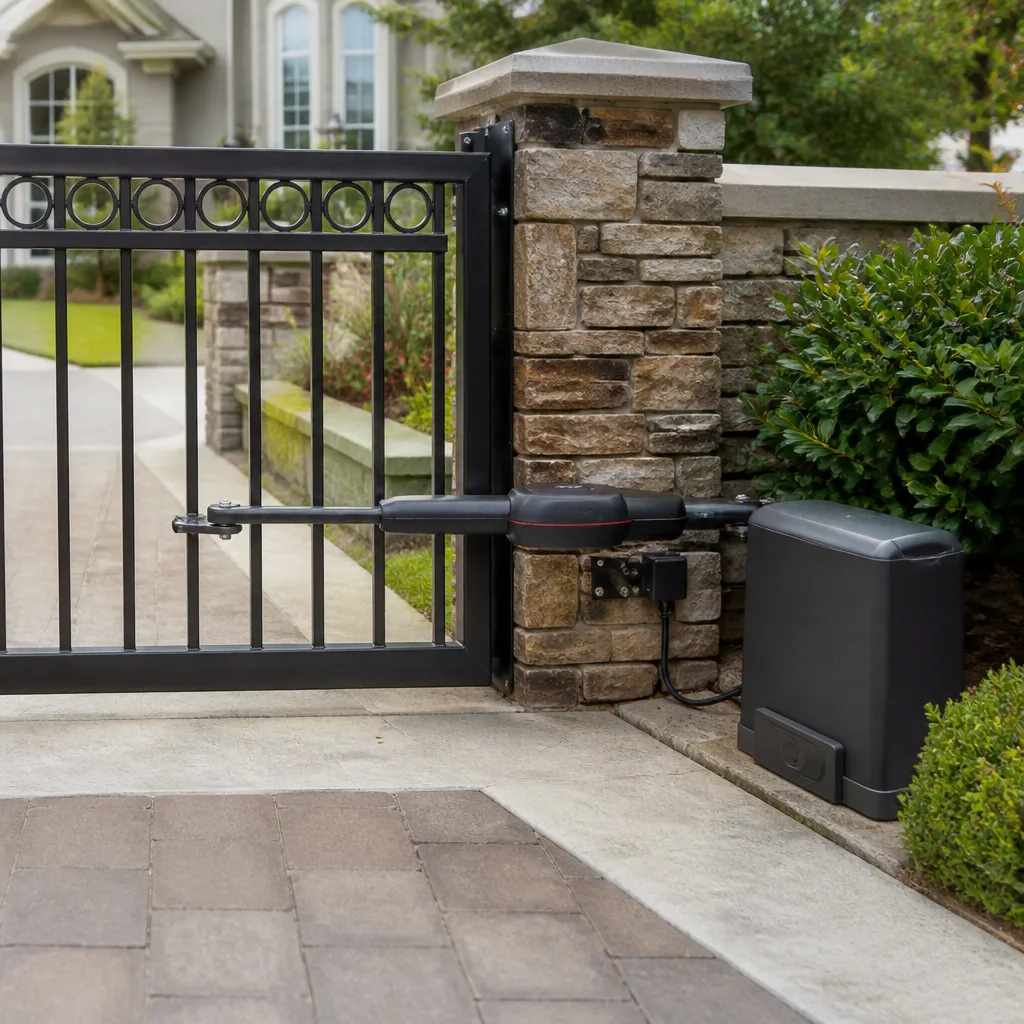
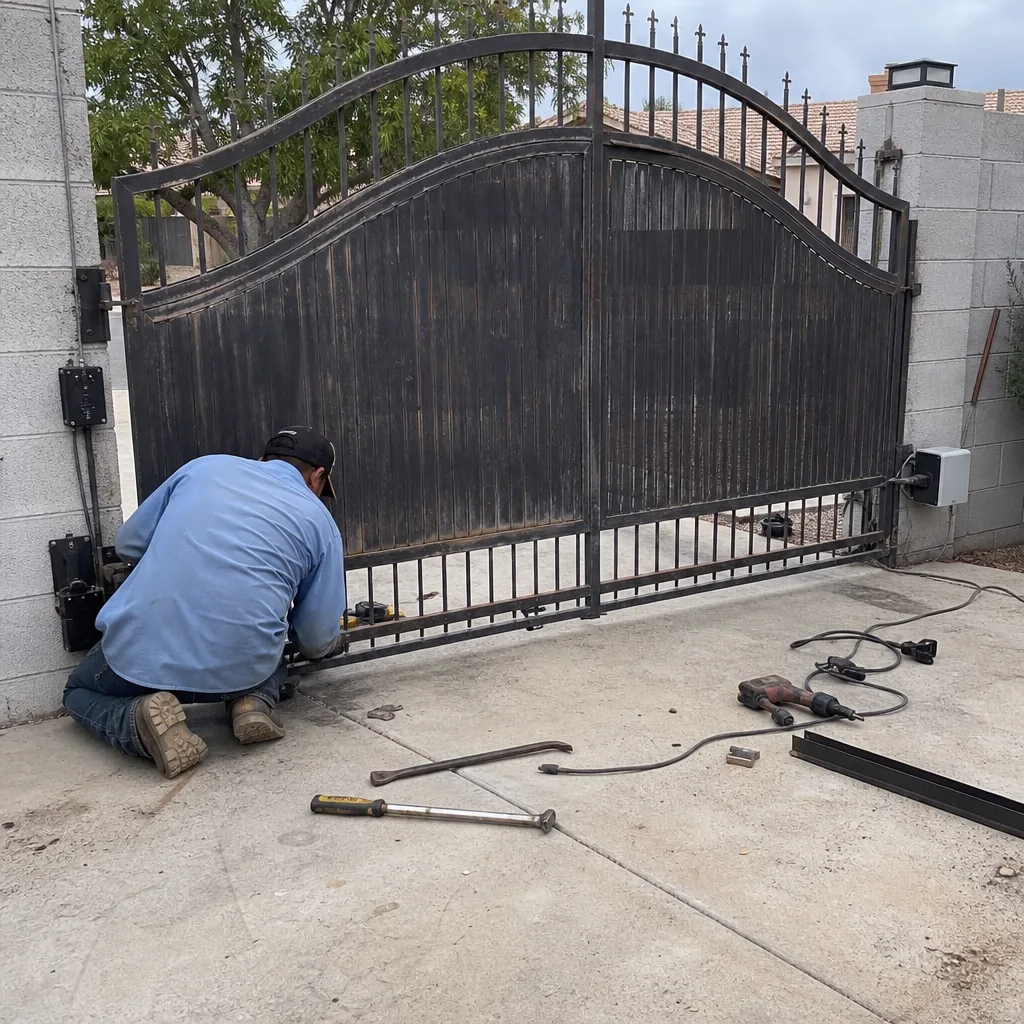 Before
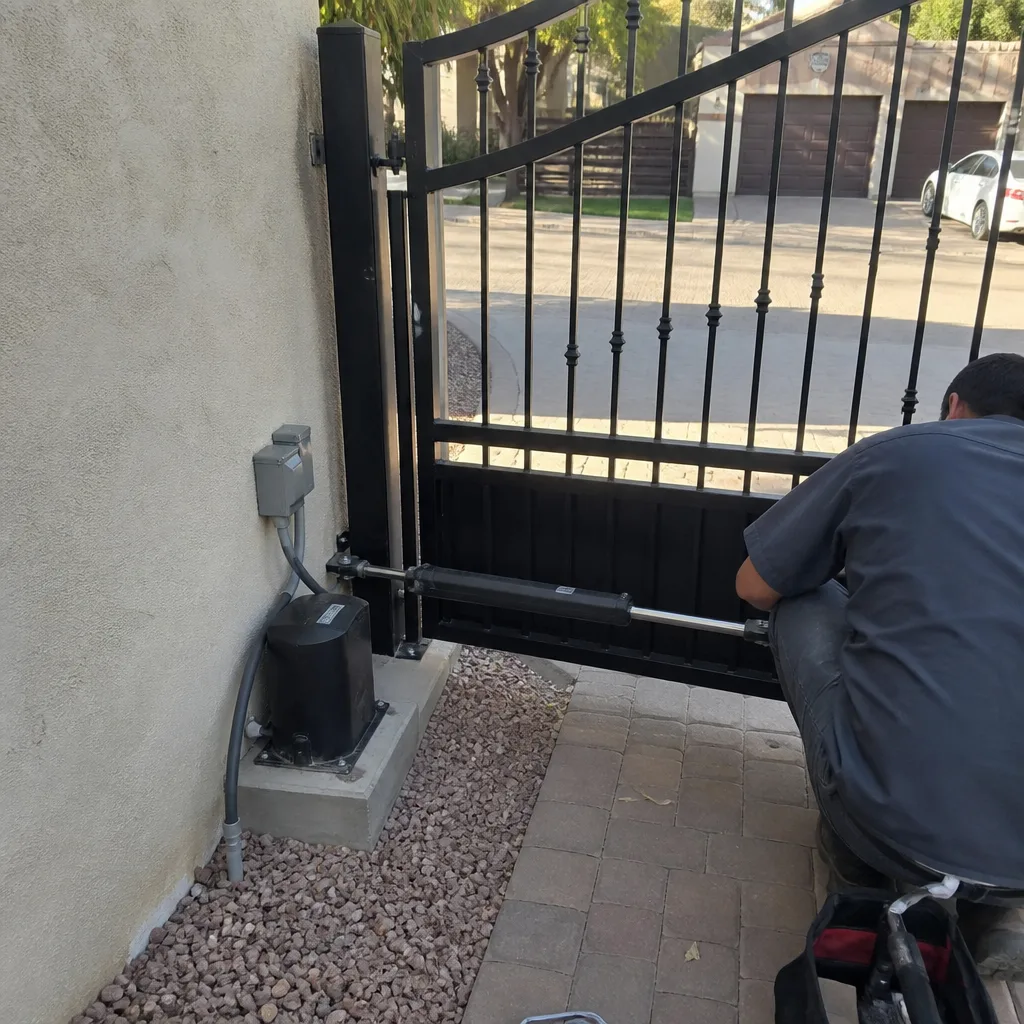 After
After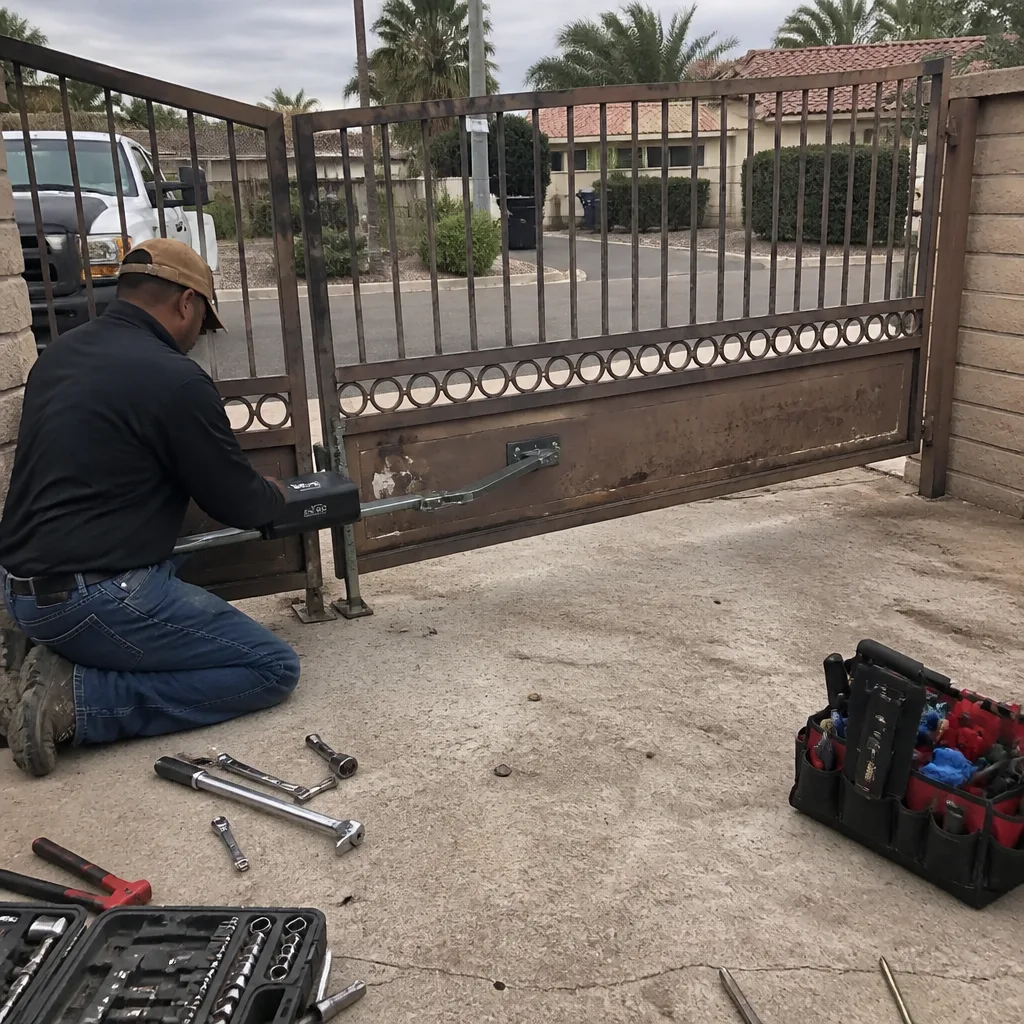 Before
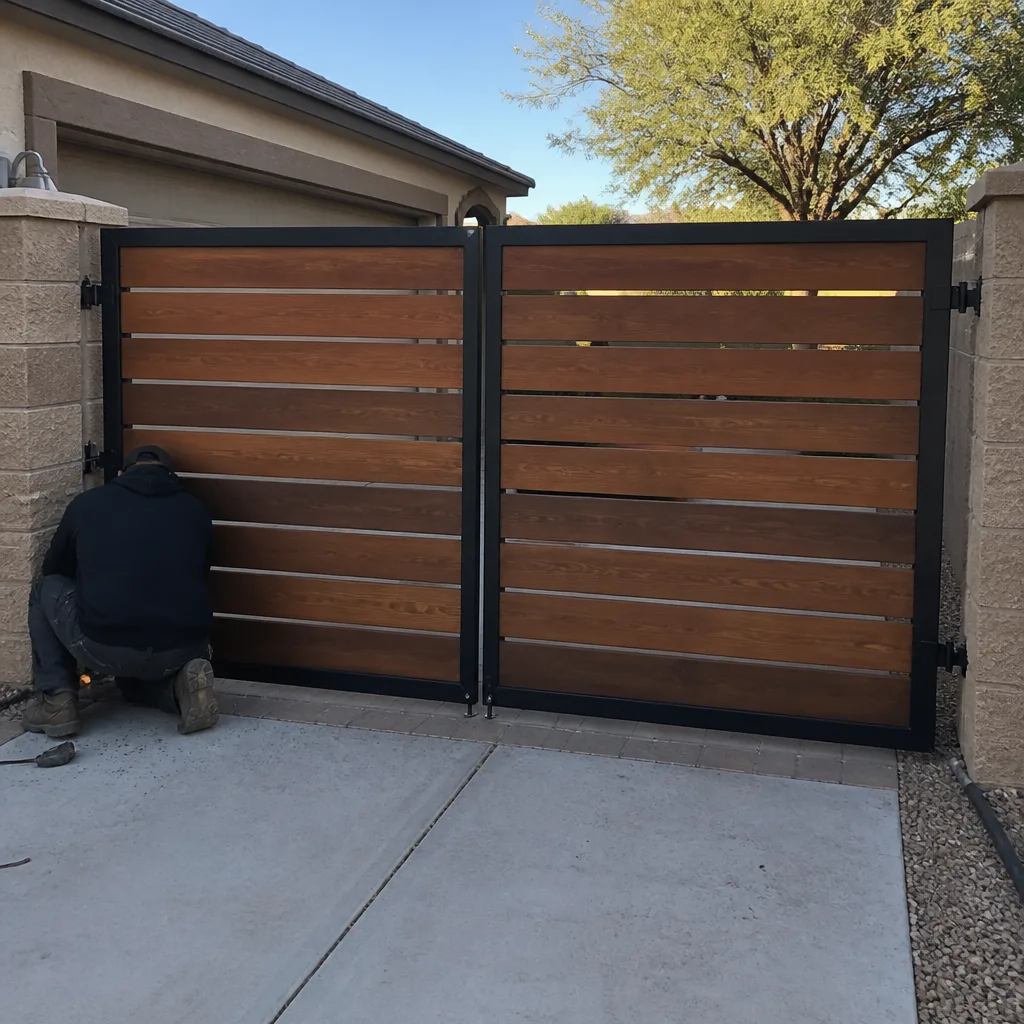 After
After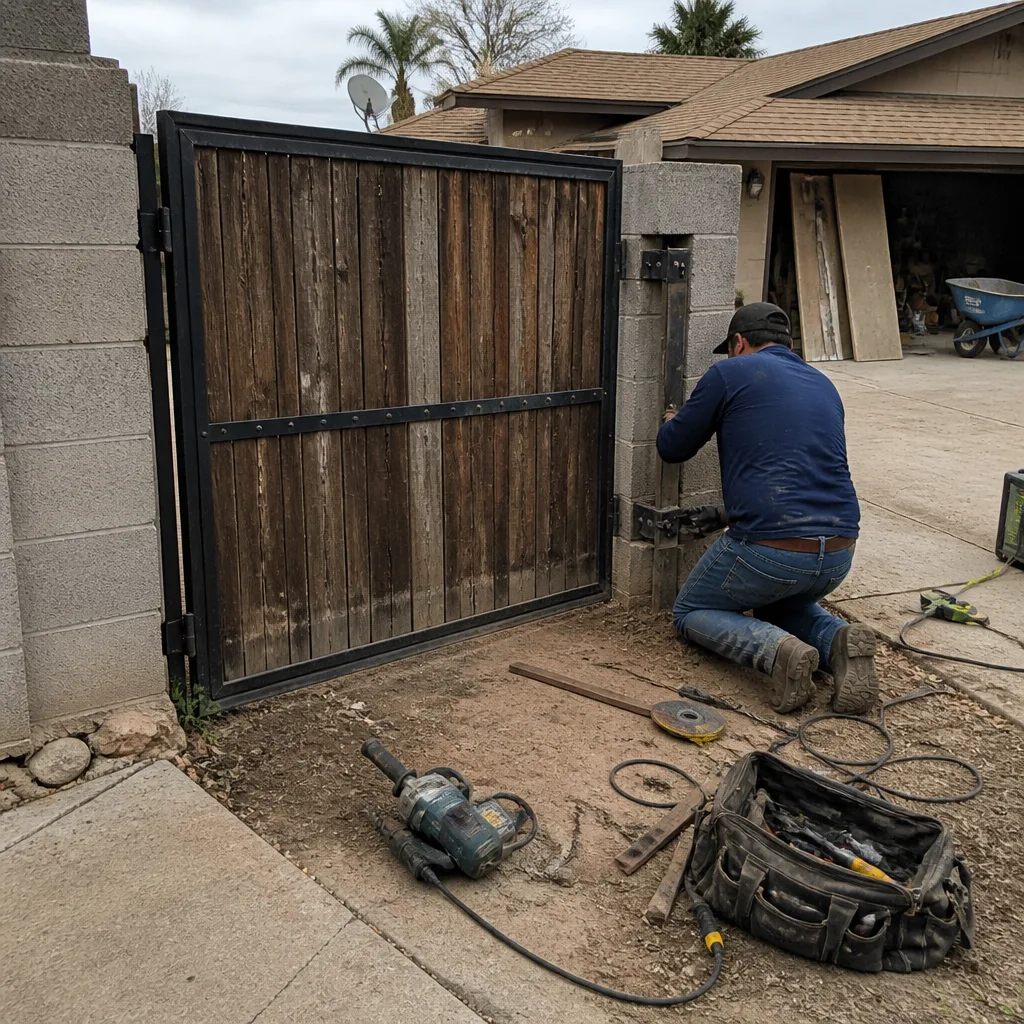 Before
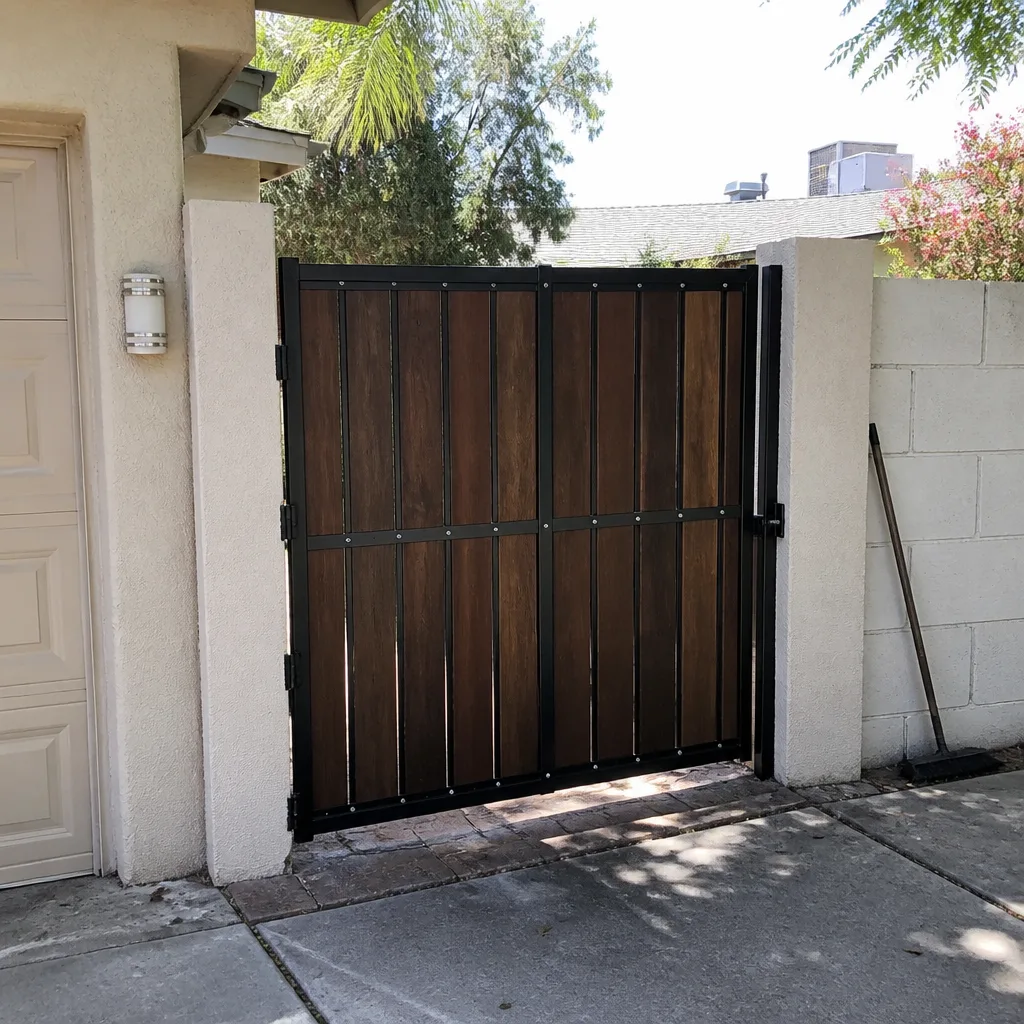 After
AfterDoorKing Keypad & Intercom Repair: The Phoenix Owner’s Guide
We stock and install DoorKing-compatible keypad and intercom repair in Phoenix, with most jobs running $280-$520 installed depending on whether we’re replacing a surface-mount keypad, a flush-mount intercom station, or the control board behind it. Same-day service is available when we have your series on the truck, which we do for 1802, 1803, 1808, and 1833 series units. Most Phoenix homeowners figure out something’s wrong when the gate stops responding to codes entirely, or when the intercom buzzes but won’t release the strike - usually after a monsoon storm or once summer heat has been sitting on the housing for a few weeks.
Which DoorKing Models This Applies To
DoorKing has manufactured access hardware since 1948, and the product lines that show up on Phoenix residential gates fall into a few distinct series. The 1802 and 1803 are the surface-mount keypads you’ll see on stucco pillars and gooseneck stands - they’re weather-resistant but not weatherproof, and the membrane behind the buttons degrades faster here than in milder climates. The 1808 is the flush-mount intercom with keypad, common on higher-end installations in Arcadia and the Biltmore area where the fixture sits recessed into a masonry column. The 1833 is the telephone entry system, the one that dials out to a cell phone and often gets mistaken for a “smart” intercom by newer owners.
Identifying your unit takes about thirty seconds. Open the keypad or intercom face - there’s usually a single tamper screw at the bottom - and photograph the label on the main board. The part number, firmware revision, and date code are all there. For the 1802 and 1803, measure the cutout if you’re dealing with a flush retrofit: 4.5 inches by 6.75 inches for the standard housing, though we’ve seen custom masonry openings in Paradise Valley that required a adapter plate we fabricated on site.
On OEM versus aftermarket: DoorKing sells replacement boards, keypads, and handsets through their dealer network, and we source OEM when the system is under warranty or when the homeowner wants exact color matching on aged beige housings. For out-of-warranty repairs, we also carry ETI and Linear-compatible boards that communicate on the same 433 MHz frequency and cost 20-30 percent less. The catch is firmware: a 2019 1833 with revision 4.2 or later won’t always pair cleanly with third-party boards, and we’d rather tell you that before we open the housing than after.
Signs Your DoorKing Keypad & Intercom Repair Is Failing
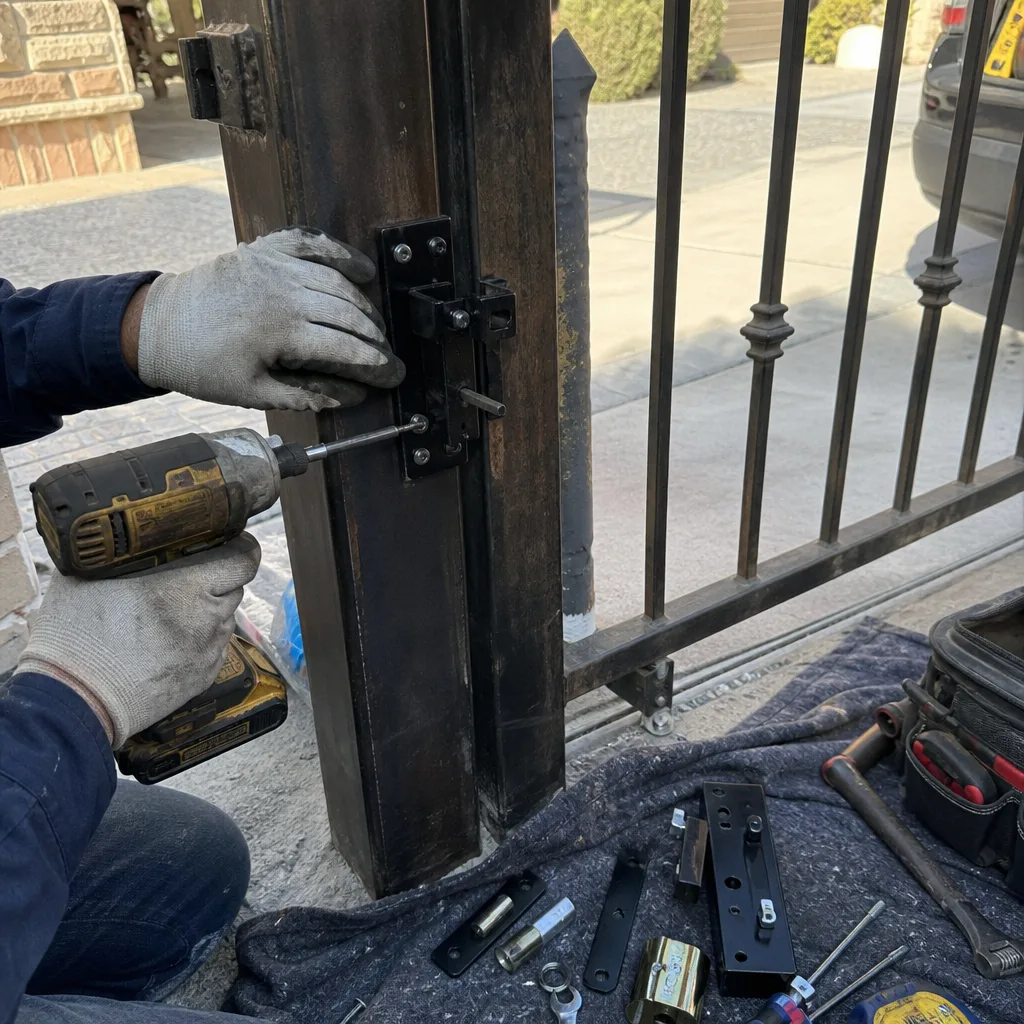
- Buttons register inconsistently or not at all. The membrane switch matrix underneath the keypad face cracks from thermal cycling - Phoenix summer surface temperatures on a stucco pillar can hit 140°F, and the adhesive layer between membrane and PCB degrades in three to five years here versus seven to ten in coastal climates. You’ll press “3” and get nothing, or “7” and get “3.”
- Intercom calls connect but the gate won’t release. This usually points to the relay output on the control board, not the telephone line. The strike circuit carries 24V AC and the relay contacts pit over time, especially if the gate operator draws a higher inrush current than the relay is rated for. We test load amperage before replacing the board so the new one doesn’t fail the same way.
- Backlight flickers or dies entirely. The LED driver is a separate subassembly on 1802/1803 units, and it’s often the first thing to go because it runs hot. A dead backlight doesn’t mean the keypad is dead - it’ll still accept codes in daylight - but it means the driver is drawing irregular current and stressing the main supply.
- Monsoon moisture inside the housing. We see this in north Phoenix and Scottsdale where driving rain hits the face at an angle. The gasket behind the bezel hardens in dry heat, then fails when water finally arrives. Corrosion on the pin headers is the usual result, and by the time you see it, two or three pins are green and the board is intermittent.
- Random code acceptance or phantom openings. This is the most serious symptom: the microcontroller is misreading the keypad matrix, often from voltage sag on an aging transformer or from capacitors on the power supply board drying out. In Phoenix, transformer-mounted units on west-facing pillars run hot enough to cook electrolytics in four to six years.
 Before
 After
AfterReplacement Cost & What’s Included
| Service | Typical Range | What’s Included |
|---|---|---|
| 1802/1803 keypad replacement (OEM) | $280-$380 | New membrane, board test, code reprogram, photo record |
| 1802/1803 keypad replacement (aftermarket) | $220-$310 | ETI-compatible board, function test, 365-Day Done Right Promise |
| 1808 intercom/keypad combo | $340-$480 | Flush-mount unit, masonry seal, wiring verification |
| 1833 telephone entry repair | $380-$520 | Board or handset replacement, line voltage test, pairing to phone numbers |
| Control board only (any series) | $190-$290 | Board swap, limit and safety recheck, documented settings photo |
What moves the number: whether we’re working on a gooseneck stand that needs to be unbolted and laid flat, whether the existing wiring is plenum-rated and reusable or needs replacement, and whether your gate operator requires a firmware update to talk to a newer board. We price this in writing before touching anything - Haven Standard Clause 1 - and the price you sign is the price on the invoice. If we open the housing and find corrosion that wasn’t visible during the estimate, we photograph it, show you, and write a revised scope before proceeding. No surprises.
The 365-Day Done Right Promise covers all of this. If the new keypad goes intermittent, the intercom drops calls, or the relay fails within a year, we come back and make it right at no charge. Under Clause 4, you also get a photo log of the installation: board serial number, wire terminations, and the finished unit powered on and responding. We’ve been doing this since 2014, and the photo record has saved more than one homeowner from paying twice to rediscover a wiring fault.
DIY or Call Us?
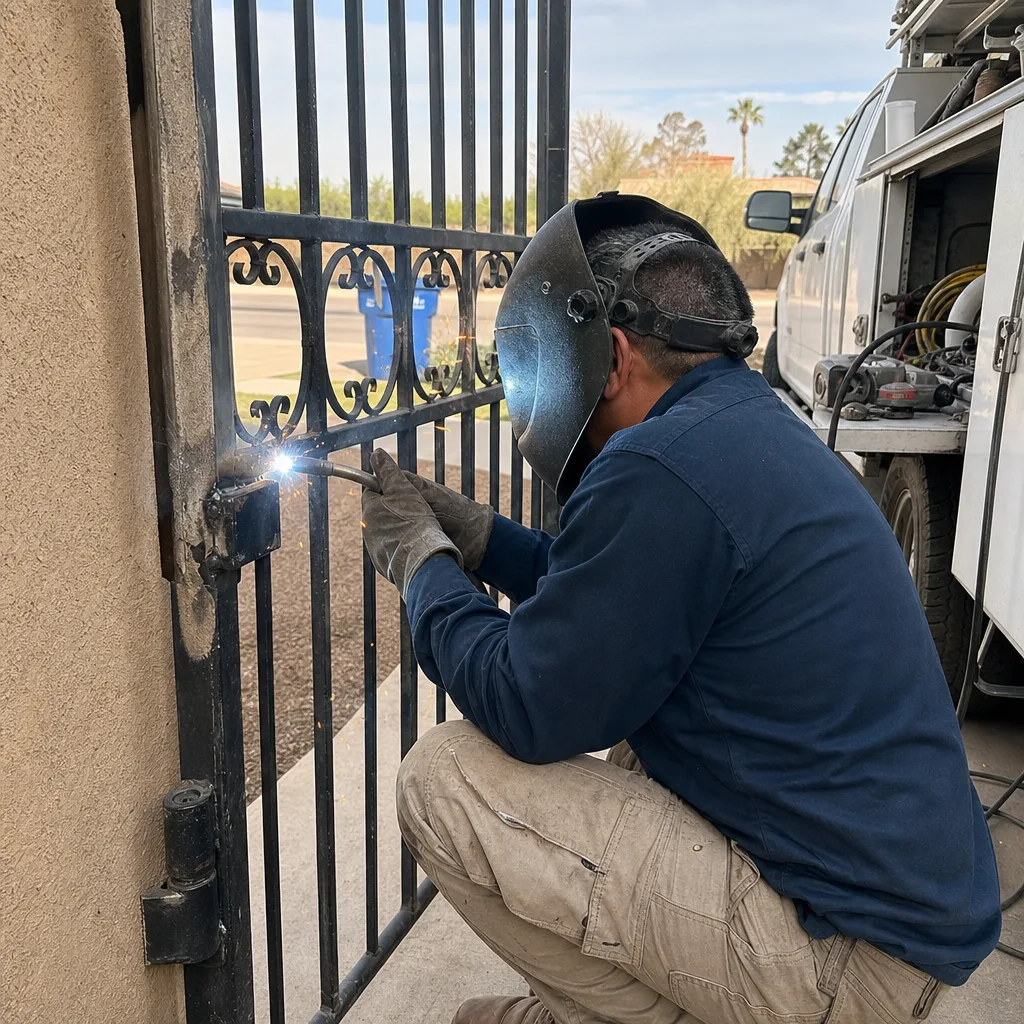
There’s a safe middle ground here, and then there’s the part where you should stop. What you can do: check that the transformer is putting out 16-24V AC at the keypad terminals, verify that the gate operator itself responds to the manual release or a different input, and look for obvious moisture or insect intrusion in the housing. What we don’t recommend: pulling the control board without knowing whether your system has a supervised loop that’ll throw a fault code when disconnected, or attempting to reprogram master codes from a manual you found online - DoorKing has changed the programming sequence three times across firmware revisions, and a wrong sequence can lock the unit requiring a factory reset that needs a dealer tool.
The electrical side is low-voltage but not zero-risk. The strike circuit can carry enough current to weld a screwdriver to the terminal if you’re working live, and some 1833 installations share a common ground with the house’s phone system that creates unexpected paths. We’re not going to tell you it’s rocket science. We are going to tell you that we’ve been called to jobs in Ahwatukee and Desert Ridge where the DIY attempt turned a $280 keypad swap into a $600 board-and-wiring repair. Name what you found. Name what it costs. Name what you left behind. That’s the habit we brought from commercial work, and it’s why we document every terminal before we disconnect it.
If you’re unsure which series you have, or the symptoms don’t match cleanly, call us at (602) 483-6270. A live person answers - no voicemail, no callback queue - and we’ll walk through what’s worth checking before we dispatch.
FAQs
Three to five years for the membrane and backlight on sun-exposed 1802/1803 units, six to eight years for intercom handsets in shaded or recessed installations. The control board itself often outlasts the interface by several years, though capacitor aging on the power supply side can cause intermittent faults after year five. Call (602) 483-6270 if you’re seeing early symptoms - catching a backlight failure before it takes the driver usually saves the board.
Sometimes. If the failure is isolated to the handset cord, the speaker grille, or a single relay, we can component-repair. If the board has corrosion across multiple pin headers or the microcontroller is throwing checksum errors, replacement is more reliable and usually more cost-effective than chasing intermittent faults. We diagnose before we quote - under Clause 1, you’ll know which path we’re recommending and why before any work starts.
Most keypad replacements are 45-90 minutes on site, including code reprogramming and function testing. Intercom or 1833 telephone entry work runs 90 minutes to two hours if we’re pairing new phone numbers or verifying line voltage. We don’t charge by the hour - the price is flat, written, and agreed before we start.
We carry 1802, 1803, 1808, and 1833 keypads, boards, and handsets on our Phoenix service vehicles, plus the ETI-compatible alternatives for out-of-warranty work. If you have a less common series - the 1810 commercial loop detector interface, for example - we may need to source overnight. We’ll tell you during the call, not when the technician shows up empty-handed.
Ready to get your gate responding again? Call Vance Gate Repair Phoenix at (602) 483-6270. We’ll confirm your model, give you a written price range over the phone, and schedule a technician who arrives with the part already on the truck. Every visit includes a documented photo record under The Haven Standard, and every repair is backed by our 365-Day Done Right Promise.
Written by Adrian Vance, Owner, Vance Gate Repair Phoenix at Vance Gate Repair Phoenix, serving Phoenix and nearby areas.